8 BILLION PEOPLE LIVE ON THIS PLANET
Our Vision is Our Mission
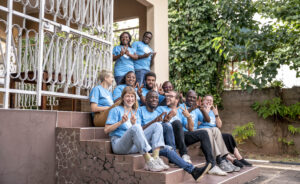
Our aim is to facilitate a world where all people are able to build their communities as comfortable places to live in, regardless of income, gender, origin, place of residence, culture and religion
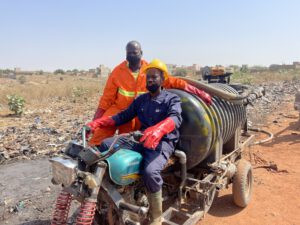
We work with local stakeholders so that they can provide their citizens with sanitation facilities which sustainably improve their living conditions. BORDA’s integrative planning approach ensures efficient, reliable and affordable water, sanitation and energy services.
We are an internationally recognized expert organization and innovation leader, and a valued partner of political, public, civil society, scientific and private institutions.
Enabling feedback loops from mason to minister, local to global.
We only use what we have successfully tested.
Transcending disciplines, generations & nationalities to meet realities on the ground.
No vested interests means we can focus on what really matters.
Find out more about our current projects, which we are developing in Africa, South East Asia, South Asia and West and Central Asia.
1.000.000
improved lives
3.500
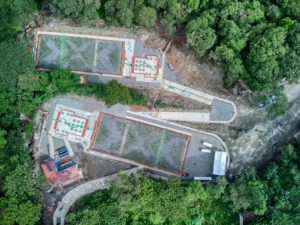
installed Sanitation Systems
25
countries we operate in
BORDA is an expert NGO from Bremen, Germany, specialized in small-scale, biological, and sustainable sanitation systems, which operate independently of any given infrastructure. Wastewater treatment with full water cycle implementation is a key component of our work. Safely managed sanitation improves living conditions and integrates sustainable handling of water, our most valuable natural resource.
For over 45 years, we have empowered people and set new standards in more than 25 countries around the world.
Networks & Partnerships



Corporate Collaborations



Financial Partners